

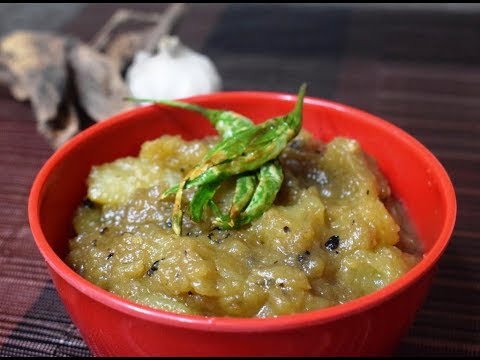

Traditional Assamese Khar is a signature alkaline dish from Assam, typically served as the first course of a traditional meal to aid digestion. The defining element of this unique recipe is Kolakhar (alkaline water filtered through the ashes of sun-dried Bhim Kol banana peels), though it can be substituted with baking soda.
Traditional Assamese Khar
Description
Traditional Assamese Khar is a signature alkaline dish from Assam, typically served as the first course of a traditional meal to aid digestion. The defining element of this unique recipe is Kolakhar (alkaline water filtered through the ashes of sun-dried Bhim Kol banana peels), though it can be substituted with baking soda.
Ingredients
Instructions
-
Sauté the Aromatics
- Heat a pan or kadhai and add the mustard oil.
- Bring it to its smoking point, then lower the heat.
- Toss in the panch phoran, bay leaf, and dry red chilli. Let them splutter for a few seconds to release their aroma.
- Add the crushed garlic and slit green chillies. Sauté for about 30 seconds until the garlic smells fragrant.
-
Cook the Papaya
- Stir in the cubed raw papaya and add salt to taste.
- Mix everything thoroughly to coat the papaya pieces in the infused oil.
- Cover the pan with a lid and cook on a medium-low flame for 5–7 minutes, stirring occasionally until the papaya softens slightly.
-
Simmer with Alkalinity
- Pour in the water and the kolakhar (or baking soda).
- Bring the mixture to a boil.
- Lower the flame, cover, and let it simmer for another 10–12 minutes.
- Cook until the papaya turns completely tender and mashable.
-
Mash and Finish
- Take off the lid and use the back of your spatula to lightly mash some of the papaya pieces. This helps thicken the consistency of the gravy.
- Let it simmer for one last minute until you get a semi-thick, mushy texture.
- Turn off the heat. For a true traditional finish, drizzle a few drops of raw mustard oil over the top right before serving to lock in that signature pungent aroma.
Assamese Khar